
They said that during winter removal efforts from January through March, 1,802 feral hogs were removed from LBL in Kentucky and Tennessee.
Crews located the pigs by using helicopters equipped with thermal imaging technology and aerial removal equipment. Officials said follow-up surveys showed that they estimate a 90 per cent decrease in the feral hog population of LBL.
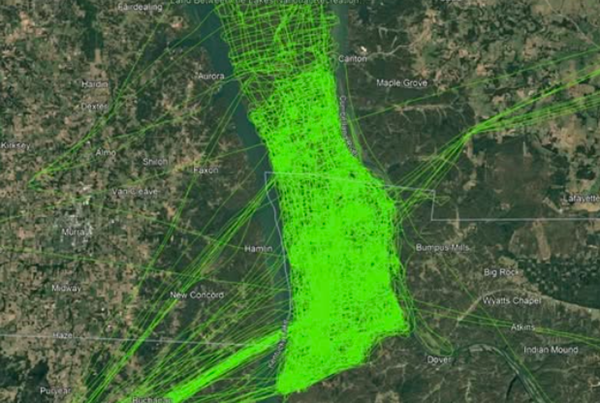
A map of the search routes taken by the helicopters indicates that about two-thirds of the hunting efforts took place in the Tennessee portion of LBL.
They said the focus of the searches were primarily on female pigs, which travel in groups, and were easier to locate from the air than lone individuals.
KDFWR posted that trapping efforts will continue until all remaining wild pigs are removed.
As a result of reduced damage to property and vegetation in the near future, officials predict that With wild pig numbers greatly reduced, hunters should see improved opportunities for deer and turkey hunting throughout LBL.
USDA APHIS Wildlife Services, Kentucky Department of Fish and Wildlife, and Land Between the Lakes remain committed to the complete eradication of wild pigs at LBL and throughout Kentucky.
For over fifty years, the USDA's APHIS (Animal and Plant Health Inspection Service) has addressed wildlife damage management, as well as animal welfare, biotechnology and global trade. Along with feral hogs, they routinely deal with damage issues caused by animals such as birds, bears, beavers and feral cats.
In the 1900s, the Eurasian or Russian wild boar was introduced into parts of the United States for the purpose of sport hunting. Today, feral swine are a combination of escaped domestic pigs, Eurasian wild boars, and hybrids of the two.
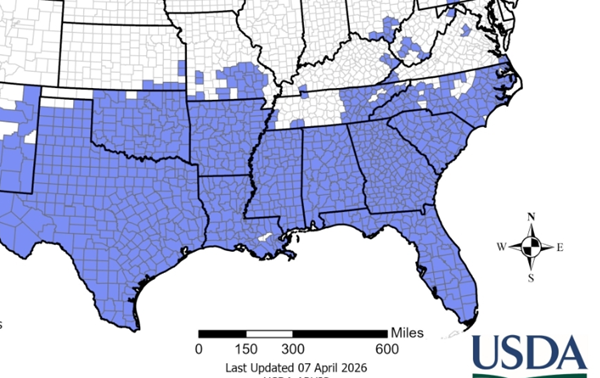
Maps: green lines indicate flight paths taken by helicopters during winter removal efforts. Darkened counties indicate they contain significant populations of feral hogs. (USDA)
(Photo: David Carson/St. Louis Post-Dispatch via AP)
On the Net:
AP story on feral hog eradication (2022)


